Spotting Before Period?
Quick Summary: Spotting before your period is a very common experience and usually refers to very light vaginal bleeding or tinted discharge that occurs days before your full menstrual flow arrives. Common causes include temporary hormonal fluctuations during ovulation, early pregnancy implantation, adjustments to birth control, stress, thyroid imbalances, or structural conditions like uterine polyps. While occasional pre-menstrual spotting is often benign, persistent or heavy mid-cycle bleeding warrants an evaluation by a healthcare professional. Wiping after using the bathroom and noticing faint pink or brown spots on the toilet paper days before your period is due can instantly trigger uncertainty. Is your period arriving a week early? Could it be a sign of early pregnancy? Or is your body communicating an underlying hormonal shift?
It is entirely natural to feel concerned when unexpected bleeding occurs outside your normal cycle window. However, human reproductive biology is sensitive to minor internal and external shifts. The American College of Obstetricians and Gynecologists (ACOG) emphasizes that variations in bleeding patterns—including light intermenstrual spotting—are among the most common reasons women seek gynecological guidance.
This comprehensive guide breaks down what spotting actually is, how to distinguish it from a light period or implantation bleeding, ten common medical and physiological causes, what different colors signify, and when it is time to consult a physician.
What Is Spotting Before Period? (And How to Tell It Apart From a Period)
In clinical medicine, spotting (intermenstrual bleeding) refers to minimal vaginal blood loss that occurs outside your expected full menstrual bleed.
Unlike a standard period, which involves the shedding of the thickened uterine lining (endometrium), spotting typically originates from minor hormonal dips, localized cervical irritation, or slight endometrial instability.
| Characteristic | Pre-Menstrual Spotting | True Menstrual Period |
| Blood Loss Volume | Extremely light; a few drops or thin streaks. Does not saturate a pad or tampon. | Moderate to heavy; requires regular sanitary pads, tampons, or menstrual cups. |
| Fluid Color | Light pink, rusty brown, or pale red. | Bright red, dark red, or deep burgundy. |
| Bleeding Duration | 1 to 2 days; often intermittent. | 3 to 7 consecutive days. |
| Flow Pattern | Sporadic; may stop and start unpredictably. | Continuous flow that builds to a peak before tapering off. |
| Associated Cramping | Minimal to none; occasional mild uterine twinges. | Moderate lower abdominal cramping, back pain, or PMS symptoms. |
Spotting vs. Early Pregnancy Implantation BleedingOne of the most frequent questions surrounding pre-menstrual spotting is whether it indicates early pregnancy. If you have been sexually active and are wondering if conception has occurred, understanding implantation timing is essential.Implantation bleeding happens when a fertilized egg (blastocyst) embeds itself into the blood-rich lining of the uterus. This process typically occurs 6 to 12 days after fertilization—which often coincides with the week leading up to your expected period.Volume & Appearance: Implantation bleeding is light pink or pale brown, very faint, and does not contain blood clots.Duration: It usually lasts anywhere from a few hours up to 48 hours
maximum.Accompanying Signs: May be paired with light uterine twinges, mild breast tenderness, or early morning fatigue.If you suspect you might be pregnant, the most reliable step is to take a home pregnancy test on the day your period is expected to start, or estimate your fertile window and conception timeline using our interactive Fertility Calculator. The Biological Engine: Why Light Bleeding Happens Mid-CycleTo understand why spotting occurs, it helps to examine the delicate hormonal balance governing your cycle. The menstrual cycle is coordinated by the hypothalamic-pituitary-ovarian (HPO) axis, which relies on fluctuating levels of estrogen and progesterone.
Spotting vs. Early Pregnancy Implantation Bleeding
One of the most frequent questions surrounding pre-menstrual spotting is whether it indicates early pregnancy. If you have been sexually active and are wondering if conception has occurred, understanding implantation timing is essential.
Implantation bleeding happens when a fertilized egg (blastocyst) embeds itself into the blood-rich lining of the uterus. This process typically occurs 6 to 12 days after fertilization—which often coincides with the week leading up to your expected period.
- Volume & Appearance: Implantation bleeding is light pink or pale brown, very faint, and does not contain blood clots.
- Duration: It usually lasts anywhere from a few hours up to 48 hours maximum.
- Accompanying Signs: May be paired with light uterine twinges, mild breast tenderness, or early morning fatigue.
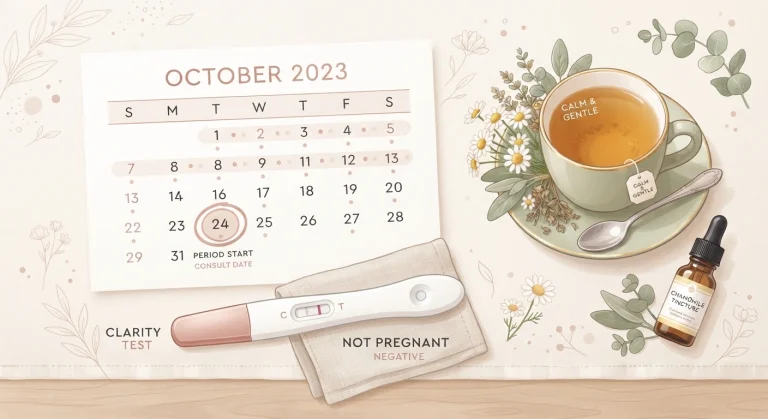
If you suspect you might be pregnant, the most reliable step is to take a home pregnancy test on the day your period is expected to start, or estimate your fertile window and conception timeline using our interactive Fertility Calculator.
The Biological Engine: Why Light Bleeding Happens Mid-Cycle
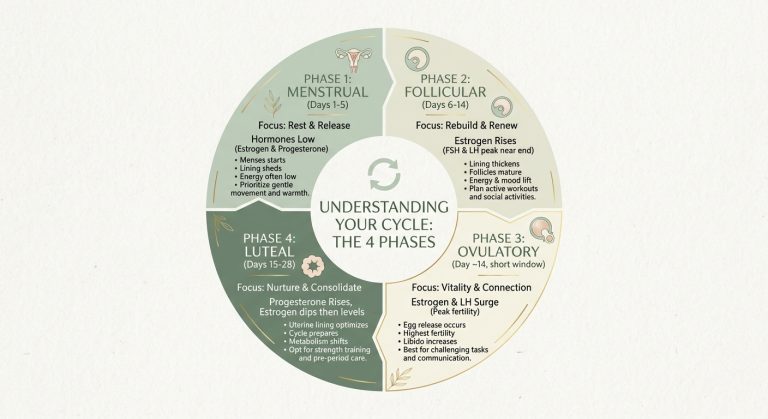
To understand why spotting occurs, it helps to examine the delicate hormonal balance governing your cycle. The menstrual cycle is coordinated by the hypothalamic-pituitary-ovarian (HPO) axis, which relies on fluctuating levels of estrogen and progesterone.
| Follicular Phase | Ovulation | Luteal Phase | Menstruation |
|---|---|---|---|
| Estrogen Rises | Estrogen Dips | Progesterone Rises | Hormones Drop |
| Uterine Lining Grows | (Possible Spotting) | Lining Stabilized | Lining Sheds |
Estrogen Dips Around Ovulation: Mid-cycle, right after an egg is released, estrogen levels briefly drop before progesterone surges. This temporary drop can cause a small portion of the uterine lining to shed prematurely.
Progesterone Deficiencies: During the luteal phase (the two weeks between ovulation and your period), progesterone is responsible for maintaining and stabilizing the uterine lining. If progesterone levels drop prematurely—a state sometimes referred to as luteal phase insufficiency—the lining can begin shedding a few days early, appearing as brown or pink spotting.
10 Common Reasons for Spotting Before Your Period
If your pre-menstrual spotting occurs regularly or happens unexpectedly, one of the following physiological, environmental, or medical factors is likely responsible.
1. Ovulation Bleeding (Mid-Cycle Hormonal Shifts)
Spotting that occurs roughly 14 days before your period is often related to ovulation. As the dominant follicle ruptures to release an egg, the sudden transition between high estrogen and rising progesterone can cause minor endometrial shedding. Ovulation spotting is typically very light, pinkish, and lasts only 24 to 48 hours.
2. Early Pregnancy and Implantation Bleeding
As detailed above, light spotting occurring 7 to 10 days post-ovulation can be an early sign of pregnancy. As the fertilized embryo adheres to the uterine wall, microscopic blood vessels can rupture, resulting in light pink or brown discharge.
3. Starting, Stopping, or Switching Birth Control
Hormonal contraceptives—such as combined birth control pills, progestin-only mini-pills, hormonal intrauterine devices (IUDs), implants, patches, or rings—introduce synthetic hormones into your system.
- Adjustment Period: During the first 3 to 6 months of starting a new method, “breakthrough bleeding” or light pre-period spotting is extremely common as your tissues adapt to the exogenous hormones.
- Missed Pills: Missing a daily pill or taking it several hours late causes a localized hormone drop, triggering light breakthrough spotting.
4. Emergency Contraception (The Morning-After Pill)
Taking emergency contraceptive pills (such as levonorgestrel-based Plan B or ulipristal acetate) delivers a high dose of synthetic hormones designed to postpone ovulation. A secondary effect of this sudden hormone spike is irregular endometrial shedding, which often presents as light brown or red spotting a few days after taking the pill.
5. Perimenopause and Hormonal Fluctuations
Perimenopause is the multi-year transition leading up to menopause, typically starting in a woman’s 40s (or late 30s). During perimenopause, ovarian egg reserves diminish, causing estrogen levels to fluctuate unpredictably and leading to frequent anovulatory cycles Without consistent ovulation, progesterone levels stay low, frequently causing brown spotting days before a period starts.
6. Psychological Stress and the HPA Axis
Severe emotional, physical, or academic stress activates your central stress system: the hypothalamic-pituitary-adrenal (HPA) axis Elevated levels of cortisol and corticotropin-releasing hormone (CRH) directly suppress the brain’s pulsatile release of Gonadotropin-Releasing Hormone (GnRH). This disruption alters progesterone production, leading to pre-menstrual spotting.
7. Polycystic Ovary Syndrome (PCOS) and Anovulatory Cycles
Polycystic Ovary Syndrome (PCOS) is a common endocrine condition characterized by elevated androgens, insulin resistance, and irregular ovulation. In anovulatory PCOS cycles, the uterine lining thickens continuously under unopposed estrogen. Without sufficient progesterone to hold the lining intact, small sections of the endometrial wall break down sporadically, appearing as brown pre-period spotting or prolonged light bleeding.
If you suspect your cycle shifts may be tied to PCOS. Tracking lifestyle habits and symptoms with a structured tool like our printable PCOS Wellness Planner can also help you gather helpful data for your healthcare visits.
8. Thyroid Imbalances (Hypothyroidism or Hyperthyroidism)
The thyroid gland produces hormones (T3 and T4) that govern systemic metabolic speed and interact directly with sex-hormone-binding globulin (SHBG) and ovarian receptors.
- Hypothyroidism (Underactive Thyroid): Low thyroid hormone often increases prolactin and disrupts ovulation, frequently resulting in pre-menstrual spotting or heavy, irregular cycles.
- Hyperthyroidism (Overactive Thyroid): Excess thyroid hormone can cause light, sporadic spotting between very infrequent periods.
9. Structural Uterine Conditions (Polyps or Fibroids)
Benign (noncancerous) growths within the reproductive tract can cause localized bleeding:
- Uterine or Cervical Polyps: Small, fragile growths attached to the inner lining of the uterus or cervical canal that bleed easily when pressure is applied.
- Uterine Fibroids: Muscular tumors in the uterine wall that alter vascular pressure and expand the endometrial surface area, leading to pre-menstrual spotting or heavy menstrual flow.
10. Cervical Changes, Infections
Light pink or bright red spotting immediately after sexual intercourse or pelvic exams (post-coital bleeding) often stems from cervical sensitivity. The cervix becomes hyperemic (filled with blood vessels) under high estrogen levels or when inflamed. Common causes include:
- Cervical Ectropion: A benign condition where soft cells lining the inside of the cervical canal spread to the outer surface, making them prone to light bleeding upon touch.
- Pelvic Infections or STIs: Sexually transmitted infections such as chlamydia, gonorrhea, or pelvic inflammatory disease (PID) can cause cervical or uterine inflammation (cervicitis/endometritis), leading to abnormal spotting.
Decoding the Color: What Pink, Brown, or Red Spotting Means
The color of pre-menstrual spotting before period offers valuable clues about how quickly blood is traveling from the uterus out of the body.
| Spotting Color | Typical Flow Speed & Mechanism | Common Physiological Causes |
| Light Pink | Fresh blood mixed with clear cervical fluid | Ovulation bleeding, early implantation, cervical sensitivity |
| Bright Red | Active, rapid bleeding from cervical or uterine tissue | Fresh birth control withdrawal, cervical polyps, vigorous intercourse |
| Dark Brown / Rust | Older blood that oxidized while traveling slowly through the vagina | Low progesterone, early endometrial shedding, post-pill hormonal adjustments |
| Dark Brown with Mucus | Slow-clearing residual uterine lining | Approaching start of normal period flow, anovulatory PCOS shifts |
Diagnostic Steps: What to Expect at the Gynecologist
If your spotting is persistent across multiple cycles or accompanied by unusual discomfort, a healthcare provider will perform a diagnostic evaluation to identify the root cause ACOG – Abnormal Uterine Bleeding.
- Comprehensive Medical History: Your provider will review your cycle patterns, contraceptive use, stress levels, recent weight changes, and sexual history.
- Targeted Diagnostic Blood Panels:
- Serum hCG: Rules out pregnancy or ectopic pregnancy.
- Thyroid Panel (TSH, Free T4): Checks for underlying thyroid dysfunction
- Serum Prolactin: Checks for hyperprolactinemia.
- Progesterone & Estrogen: Assesses luteal phase function and ovulatory status.
- Serum Androgens (Testosterone, DHEAS): Evaluates for PCOS markers.
- Pelvic Ultrasound Imaging: Uses sound waves to inspect endometrial thickness, evaluate ovarian structure, and identify any uterine fibroids or polyps.
- Cervical Screening & STI Swabs: A routine Pap smear or bacterial swab checks for cervical cell changes or underlying infections like chlamydia or gonorrhea.
Red Flag Symptoms: When to See a Doctor Immediately
While an isolated day of light pre-period spotting is rarely a medical emergency, specific symptoms require prompt attention from a healthcare provider NHS – Irregular Periods
Schedule an Outpatient Medical Appointment If:
- You experience pre-menstrual spotting across three or more consecutive cycles.
- Spotting regularly occurs immediately after sexual intercourse.
- You experience spotting after you have already gone through menopause (12 consecutive months without a period).
- Spotting is accompanied by persistent pelvic ache, unusual facial hair growth, or severe acne.
| Seek Immediate Emergency Medical Attention If You Experience: |
| • Severe, sharp, or sudden lower abdominal or one-sided pelvic pain (possible ectopic pregnancy or ovarian cyst rupture) |
| • Heavy bleeding that rapidly soaks through a maxi pad or tampon in an hour |
| • Lightheadedness, severe dizziness, confusion, or fainting (syncope) |
| • Spotting accompanied by a high fever, chills, or malodorous vaginal discharge |
Evidence-Based At-Home Strategies to Support Cycle Regularity
If medical conditions have been evaluated by your physician, supporting your overall endocrine health through daily lifestyle habits can encourage balanced ovulatory function:
1. Support Luteal Phase Nutrition
Ensure your daily nutrition supplies adequate healthy fats, complex carbohydrates, and micronutrients essential for steroid hormone synthesis. Vitamin B6, vitamin C, zinc, and magnesium support progesterone production during the luteal phase. For phase-aligned meal ideas, explore our digital Period-Friendly Recipe Guide
2. Prioritize Nervous System Recovery
Because cortisol directly alters hypothalamic GnRH release, active stress management plays an essential role in preventing hormone-driven spotting. Incorporate daily deep breathing exercises, gentle yoga, and prioritize 7 to 9 hours of restorative sleep to keep baseline stress hormones balanced at spotting before period
3. Log Multi-Month Cycle Symptoms
Keeping a detailed physical log of your spotting start dates, fluid color, flow intensity, and temperature shifts gives your doctor helpful data. Using a paper-based system like our Ultimate Cycle Syncing & Menstrual Tracker allows you to track long-term health patterns with ease.
Key Takeaways
- Spotting vs. Period: Spotting involves minimal, intermittent blood loss (pink, brown, or rust) that does not fill a pad or tampon, whereas a period is a continuous, heavier flow.
- Ovulation Dips: Spotting roughly 14 days before your period often stems from a normal, brief drop in estrogen following egg release.
- Early Pregnancy Indicator: Light pink or brown spotting 6 to 12 days post-conception can be a sign of embryo implantation.
- Hormonal & Lifestyle Triggers: Birth control adjustments, emergency contraception, high stress, weight shifts, thyroid disorders, and PCOS are frequent non-pregnancy causes.
- Seek Evaluation When Needed: Consult a healthcare provider if spotting is persistent, occurs post-coitally, follows menopause, or is paired with severe pelvic pain.
Medical Disclaimer
Why Is My Period Early? 9 Common Causes & When to See a Doctor