
Spotting After Period
Noticing blood on your underwear or toilet paper a few days after your period has ended can cause immediate concern. You might wonder if your cycle is starting again, if you are experiencing an unexpected hormonal shift, or if an underlying health condition needs medical attention.
Light bleeding or brown discharge between menstrual periods—medically referred to as intermenstrual bleeding—is a common experience. In many instances, post-period spotting is simply residual uterine lining clearing out or a harmless physiological response to minor hormonal fluctuations. However, because intermenstrual bleeding can also be an early sign of cervical changes, uterine polyps, hormonal disorders, or pregnancy, understanding what is normal for your body is essential.
This comprehensive guide breaks down the science behind spotting after your period, what different blood colors signify, the most frequent medical causes, and when you should schedule an evaluation with a healthcare provider.
What Is Spotting After Your Period?
Spotting is defined as very light vaginal bleeding that occurs outside of your normal menstrual flow. Unlike a regular period, spotting typically does not require a pad or tampon; a panty liner is usually sufficient, or the blood may only be noticeable when wiping.
The average menstrual cycle lasts between 21 and 35 days, with active menstrual bleeding typically continuing for 2 to 7 days. When bleeding or colored discharge occurs within 1 to 10 days after your flow has completely stopped, it is considered post-period spotting.
According to clinical guidance on abnormal uterine bleeding from the American College of Obstetricians and Gynecologists (ACOG), any vaginal bleeding that departs from a person’s regular frequency, duration, or volume warrants observation. Tracking when the spotting occurs and what it looks like provides valuable information for both you and your doctor.
Spotting vs. Menstrual Period: Key Differences
Distinguishing between true menstrual bleeding and intermenstrual spotting helps narrow down potential causes.
| Feature | Menstrual Period | Spotting After Period |
| Flow Volume | Moderate to heavy (requires pads, tampons, or a menstrual cup) | Very light (a few drops; requires only a panty liner) |
| Duration | Typically 3 to 7 continuous days | Brief; lasts 1 to 2 days or occurs intermittently |
| Blood Color | Bright red to dark red; may contain small clots | Pink, light brown, or dark rust-colored; rarely clots |
| Associated Symptoms | Uterine cramping, lower back pain, bloating, mood shifts | Usually painless; mild lower abdominal twinges may occur |
| Timing | Predictable start based on your regular cycle length | Unpredictable; occurs days after your period has officially ended |
If you are unsure whether your cycle has simply restarted early or if you are experiencing irregular spotting, tracking your dates using our Period Calculator can help establish your baseline cycle rhythm.
Decoding Blood Color: What Brown, Pink, or Red Spotting Means
The appearance and color of post-period spotting provide important clues regarding where the blood originated and how long it took to exit the body.
1. Dark Brown or Rust-Colored Spotting
Dark brown blood is simply old blood that has undergone oxidation. When blood takes longer to travel from the uterine cavity through the cervix and vagina, the iron in the hemoglobin reacts with oxygen, darkening its shade.
- Primary Cause: Most brown spotting occurring 1 to 3 days after your period ends is harmless residual blood that was not fully expelled during your primary flow.
- Other Causes: Low progesterone levels, cervical polyps, or early pregnancy.
2. Pink or Light Red Spotting
Pink-tinged discharge occurs when a small amount of fresh red blood mixes with clear cervical mucus or natural vaginal fluids.
- Primary Cause: Fluctuations in estrogen, such as the temporary estrogen dip that precedes ovulation, or light irritation of the cervical lining.
- Other Causes: Early implantation bleeding, starting or missing a birth control pill, or light mechanical friction after sexual intercourse.
3. Bright Red Spotting
Bright red blood indicates fresh, active bleeding that has moved quickly from the blood vessels through the vagina.
- Primary Cause: Acute cervical sensitivity (cervical ectropion), breakthrough bleeding from hormonal contraceptives, or cervical polyps.
- Other Causes: Sexually transmitted infections (STIs), early pregnancy complications, or uterine fibroids.
Common Causes of Bleeding After Your Period Ends
Vaginal bleeding between periods can stem from structural, hormonal, infectious, or lifestyle factors. The International Federation of Gynecology and Obstetrics (FIGO) classifies abnormal uterine bleeding using the PALM-COEIN framework (Polyps, Adenomyosis, Leiomyoma, Malignancy – Coagulopathy, Ovulatory dysfunction, Endometrial, Iatrogenic, and Not yet classified).
Below are the most frequent reasons women experience spotting shortly after their period finishes:
1. Residual Uterine Shedding
Towards the end of your cycle, uterine contractions naturally slow down. Small amounts of endometrial tissue and blood may remain trapped in the folds of the uterine lining or vaginal canal for a few days after your active flow stops. As you move around during normal daily activities, this remaining tissue slowly drains out, often appearing as light brown streaks or dark spots. This is completely normal and generally clears within 48 to 72 hours.
2. Hormonal Birth Control & Breakthrough Bleeding
Iatrogenic causes—specifically starting, stopping, or switching hormonal contraceptives—are among the most common sources of intermenstrual spotting.
- Oral Contraceptive Pills: During the first 3 to 6 months of taking daily birth control pills, your body adapts to external synthetic hormones. Missing a pill, taking it at irregular times, or taking continuous-active pills to skip periods can trigger “breakthrough bleeding.”
- Intrauterine Devices (IUDs): Both hormonal IUDs (such as Levonorgestrel-releasing devices) and non-hormonal copper IUDs frequently cause spotting between periods during the initial months following insertion.
- Implants and Injections: Progestin-only methods (like the arm implant or Depo-Provera shot) alter the endometrial lining, which often results in light, unpredictable spotting.
3. Ovulation Spotting (Mid-Cycle Bleeding)
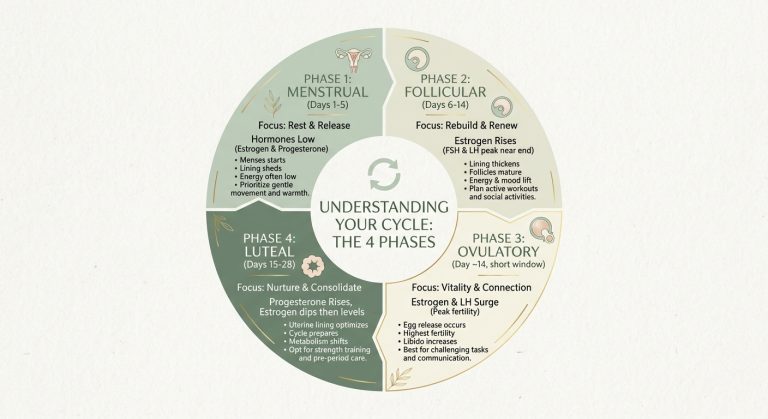
For individuals with a standard 28-day cycle, ovulation typically occurs around day 14. However, for those with shorter cycles (e.g., 21 to 24 days), ovulation happens much sooner after the period ends.
Just before the ovary releases a mature egg, estrogen levels surge and then briefly drop before progesterone climbs. This temporary dip in estrogen can cause a tiny portion of the uterine lining to shed, leading to light pink or brown spotting accompanied by mild one-sided pelvic twinges (known as Mittelschmerz). You can pinpoint your estimated fertile window using our interactive Ovulation Calculator.
4. Early Pregnancy & Implantation Bleeding
If you had sexual intercourse around your previous fertile window, post-period “spotting” might actually be early pregnancy bleeding.
- Implantation Bleeding: Occurs when a fertilized egg attaches itself to the nutrient-rich uterine lining, usually 6 to 12 days after conception. This bleeding is typically faint pink or light brown, lasts 1 to 2 days, and is much lighter than a regular period.
- Mistaking Early Bleeding for a Period: Sometimes, light early pregnancy bleeding is mistaken for a light period. When light spotting follows a week later, it may actually be continuing early pregnancy changes.
If there is any possibility of pregnancy, taking a home pregnancy test or consulting a healthcare provider is an important first step. Detailed clinical information regarding early pregnancy bleeding can be found in the NHS guide on vaginal bleeding between periods.
5. Structural Factors: Polyps, Fibroids, & Adenomyosis
Benign growths within the reproductive tract can make blood vessels more fragile and prone to bleeding between cycles.
- Cervical or Endometrial Polyps: Polyps are small, soft growths attached to the inner wall of the uterus or cervix. Because they contain delicate blood vessels, they easily bleed upon contact or under mild hormonal shifts.
- Uterine Fibroids (Leiomyomas): Non-cancerous muscular tumors in the uterine wall can alter the uterus’s ability to contract effectively, leading to prolonged bleeding or spotting between periods.
- Adenomyosis: A condition where the tissue lining the uterus grows into the muscular uterine wall, causing abnormal bleeding, severe cramping, and pelvic discomfort.
If you are managing long-term structural or hormonal reproductive conditions, our Ultimate Cycle Syncing & Menstrual Tracker provides structured templates to log daily symptoms, flow variations, and pain levels for your clinical appointments.
6. Cervical Sensitivity & Friction
The tissue covering the cervix is naturally delicate and rich in blood supply.
- Cervical Ectropion (Erosion): A harmless condition common in younger women and those taking hormonal birth control, where delicate glandular cells normally located inside the cervical canal extend to the outer surface of the cervix. These cells bleed easily when touched.
- Post-Coital Spotting: Friction during sexual intercourse can irritate sensitive cervical or vaginal tissue, leading to light red spotting immediately afterward.
- Papanicolaou (Pap) Smear or Pelvic Exam: Physical manipulation during a routine gynecological exam can cause minor cervical contact bleeding that resolves within 24 hours.
7. Reproductive Infections & Inflammation
Infections can cause localized inflammation (cervicitis or endometritis), making tissues fragile and prone to spontaneous bleeding.
- Sexually Transmitted Infections (STIs): Chlamydia and gonorrhea are major causes of cervical inflammation. Spotting accompanied by unusual vaginal discharge, pelvic aching, or burning during urination requires prompt diagnostic testing.
- Pelvic Inflammatory Disease (PID): If an untreated infection spreads to the upper reproductive organs (uterus, fallopian tubes, or ovaries), it can cause irregular bleeding, lower abdominal pain, painful intercourse, and fever. PID requires immediate medical treatment with antibiotics to prevent long-term scarring and fertility issues.
8. Hormonal Imbalances & Endocrine Conditions
When the delicate feedback loop between the brain (hypothalamus and pituitary gland) and the ovaries is disrupted, ovulatory dysfunction can lead to unexpected spotting.
- Polycystic Ovary Syndrome (PCOS): Anovulatory cycles (cycles where an egg is not released) are common in PCOS. Without regular ovulation, progesterone levels remain low while estrogen continues to stimulate the uterine lining, causing unpredictable breakthrough spotting.
- Thyroid Dysfunction: Both an underactive thyroid (hypothyroidism) and an overactive thyroid (hyperthyroidism) directly alter menstrual regularity, frequently leading to intermenstrual bleeding or skipped cycles.
- Perimenopause: In the years leading up to menopause (typically starting in a woman’s 40s), fluctuating estrogen levels cause irregular ovulatory patterns, leading to sudden light spotting, skipped periods, or variable flow lengths.
For comprehensive overview explanations on systemic causes of abnormal bleeding, refer to the Mayo Clinic resource on vaginal bleeding causes.
9. Chronic Stress & Lifestyle Disruptions
Physical and emotional stress triggers the release of cortisol and corticotropin-releasing hormone (CRH). Elevated stress hormones suppress the production of gonadotropin-releasing hormone (GnRH), disrupting normal estrogen and progesterone production. Sudden weight loss, intense athletic training, severe psychological stress, or significant sleep disruptions can all cause light mid-cycle spotting.
When Spotting Signals an Emergency: Red Flag Symptoms
While occasional spotting is often harmless, certain symptoms demand urgent medical evaluation.
Seek Urgent Medical Care If Spotting Is Accompanied By:
- Severe, Sharp, or Worsening Pelvic/Abdominal Pain: Could indicate an ectopic pregnancy, ruptured ovarian cyst, or severe pelvic infection.
- Heavy Bleeding: Soaking through two or more full-size pads or tampons per hour for two consecutive hours.
- Dizziness, Lightheadedness, or Fainting: Signs of significant internal or external blood loss.
- High Fever, Chills, or Foul-Smelling Discharge: Indicates an active pelvic infection.
- Positive Pregnancy Test: Any bleeding during confirmed or suspected pregnancy must be evaluated by an obstetrician to rule out miscarriage or ectopic pregnancy.
- Postmenopausal Bleeding: Any vaginal bleeding occurring one year or more after menopause requires immediate medical workup according to guidelines from the Cleveland Clinic overview on vaginal bleeding.
How Doctors Diagnose Intermenstrual Bleeding
When you consult a healthcare provider for post-period spotting, they will perform a targeted evaluation to identify the precise underlying cause:
- Detailed Medical History: Your physician will review your cycle history, birth control methods, sexual activity, medications, and stress levels.
- Pelvic Examination & Pap Smear: Allows the clinician to visually inspect the vagina and cervix for polyps, lesions, cervical ectropion, or unusual inflammation.
- Infection Screening: Vaginal swabs or urine samples test for STIs like chlamydia and gonorrhea, as well as bacterial vaginosis.
- Targeted Blood Tests:
- Serum hCG: Confirms or rules out pregnancy.
- Complete Blood Count (CBC): Checks for anemia or signs of systemic infection.
- Hormone Panel: Measures Thyroid-Stimulating Hormone (TSH), Prolactin, Estrogen, Progesterone, and Androgens (for PCOS).
- Transvaginal Ultrasound: Uses sound waves to produce detailed images of the uterine lining, myometrium, and ovaries to identify polyps, fibroids, or thickened endometrium.
- Endometrial Biopsy: In women over age 35 or those with risk factors for endometrial hyperplasia or uterine cancer, a small sample of the uterine lining is removed for microscopic lab analysis.
Treatment and Management Options
Treatment for post-period spotting depends entirely on the root diagnosis identified during your medical evaluation:
- Hormonal Contraceptive Adjustments: If breakthrough bleeding persists beyond 3 months on a birth control pill, your doctor may recommend switching to a formula with a slightly higher estrogen dose or a different progestin type.
- Polyp or Fibroid Removal: Symptomatic uterine polyps or subepithelial fibroids can often be removed during a minor outpatient procedure called a hysteroscopy.
- Antibiotic Therapy: Confirmed bacterial infections or STIs are treated with targeted prescription antibiotics. Sexual partners should also be tested and treated simultaneously.
- Managing Endocrine Disorders: Treating underlying thyroid conditions with thyroid hormone replacement or managing PCOS through lifestyle modifications, insulin-sensitizing medications, or cycle-regulating therapy often completely resolves spotty bleeding.
- Targeted Lifestyle Modifications: Supporting hormonal balance through stress management techniques, balanced nutrition rich in anti-inflammatory foods, adequate sleep, and gentle exercise can restore regular ovulatory function over time.
How to Track Your Cycle and Next Steps
If you experience post-period spotting for the first time, do not panic. Follow these practical steps to monitor your health responsibly:
- Log Every Episode: Note the exact cycle day, duration, color, flow level, and any triggering factors (such as sexual intercourse, missing a birth control pill, or intense exercise).
- Use a Dedicated Tracking Tool: Calculating your average cycle duration with our Cycle Length Calculator makes it easier to spot subtle pattern shifts over 2 to 3 consecutive cycles.
- Avoid Douching or Unnecessary Products: Do not use internal douches or scented sprays to wash away spotting, as these disrupt the natural vaginal microbiome and increase your risk of infection.
- Schedule a Gynecological Check-Up: If spotting recurs over two or more cycles, causes emotional distress, or is accompanied by pain, schedule an appointment with your healthcare provider. Bring your cycle log with you.
Medical Disclaimer: This content is for educational purposes only and is not a substitute for professional medical advice, diagnosis, or treatment. Always consult a qualified healthcare professional regarding your individual health needs or if you experience severe pain, heavy bleeding, or concerning symptoms.